
Our Projects
We work in temperate and tropical forests, woodlands, and grasslands.
Our research is rooted in community and landscape ecology. We have experience with a variety of organisms, including birds, bats, rodents, trees, herbaceous plants, and vascular epiphytes.
Current Projects
Natural History of Ecological Restoration
In any field of inquiry, great ideas come from careful observation. The Natural History of Ecological Restoration is a monthly blog where we describe our observations of restoration projects – their natural history – from around the world. This project represents a collaboration between the VT Restoration Ecology Lab, Missouri Botanical Garden, and the Ecological Health Network. Read more at: nher.blog.
Choconexión: Tropical Forest Reassembly
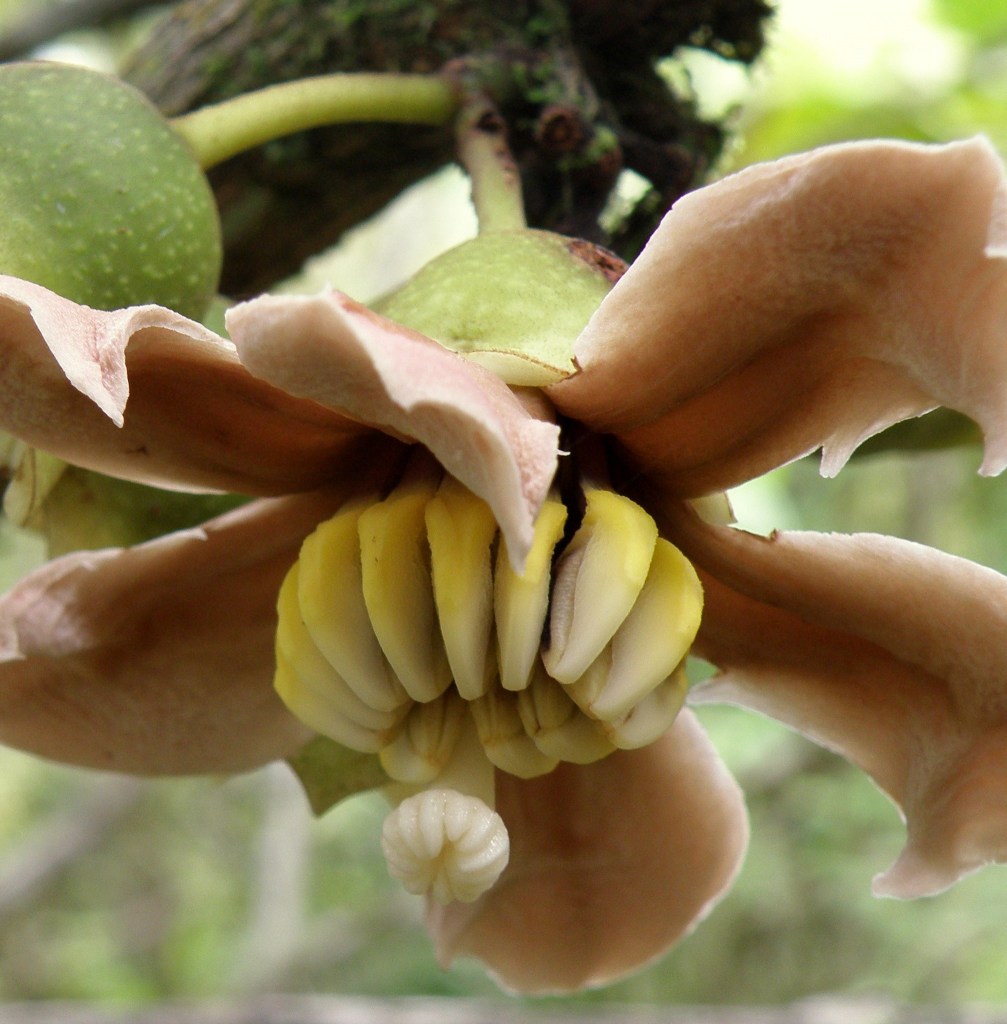
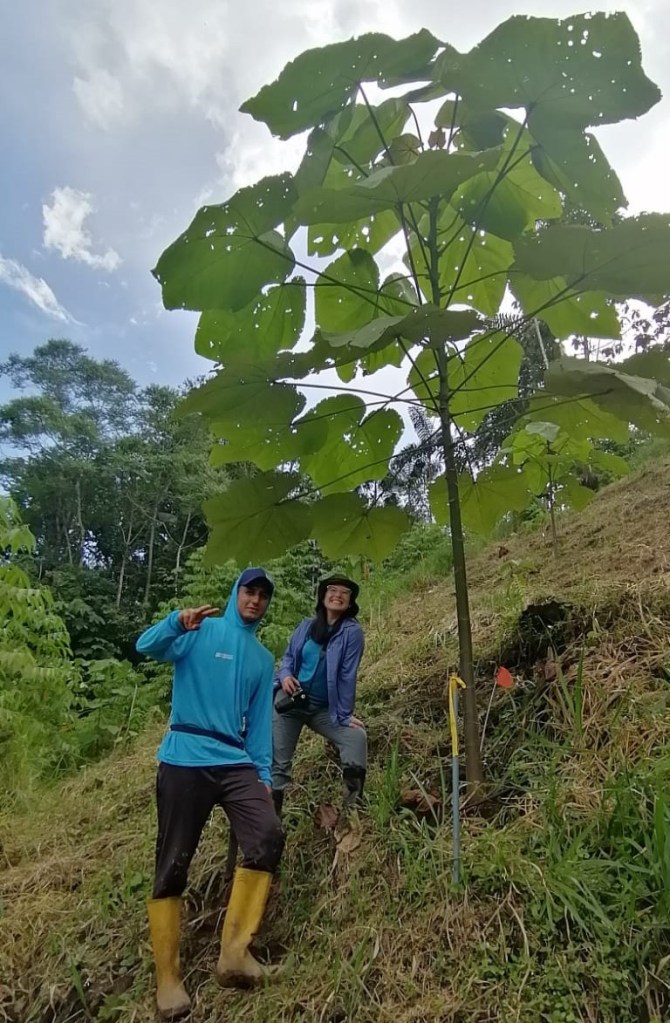
Anthony Bradshaw famously called ecological restoration the acid test of our ecological understanding. Do our theories of ecosystem functioning work in practice? In this spirit, we are collaborating with the Foundation for the Conservation of the Tropical Andes (FCAT) to design, install, and monitor a 21-hectare forest restoration experiment in western Ecuador that manipulates three basic factors: the diversity of tree species planted, the number of individuals planted, and the trait composition of planted species. Over the coming years, we will learn how well ecological theory predicts how these common tree planting decisions influence the reassembly of plant and animal communities in one of the world’s most biodiverse places. Read more or watch a PBS Terra video about this project.
This multi-disciplinary project aims to address the need for locally-adapted native seed for restoration projects in the Virginia Piedmont. With funding from USDA-NRCS, researchers at Virginia Tech and the VA Department of Conservation and Recreation will be partnering with Southside producers to grow and commercialize wild-collected seed of 10-15 new native VA Piedmont ecotypes over the course of three years. They will also work with producers to conduct research on the economic feasibility of small-scale native seed production, in an effort to improve the native plant materials development process for this region. The ultimate goal of this project is to create a sustainable seed production infrastructure that will both improve grassland restoration outcomes and increase economic opportunities for local producers. Read more on VT News or our website.

Grayson Highlands Pony Project
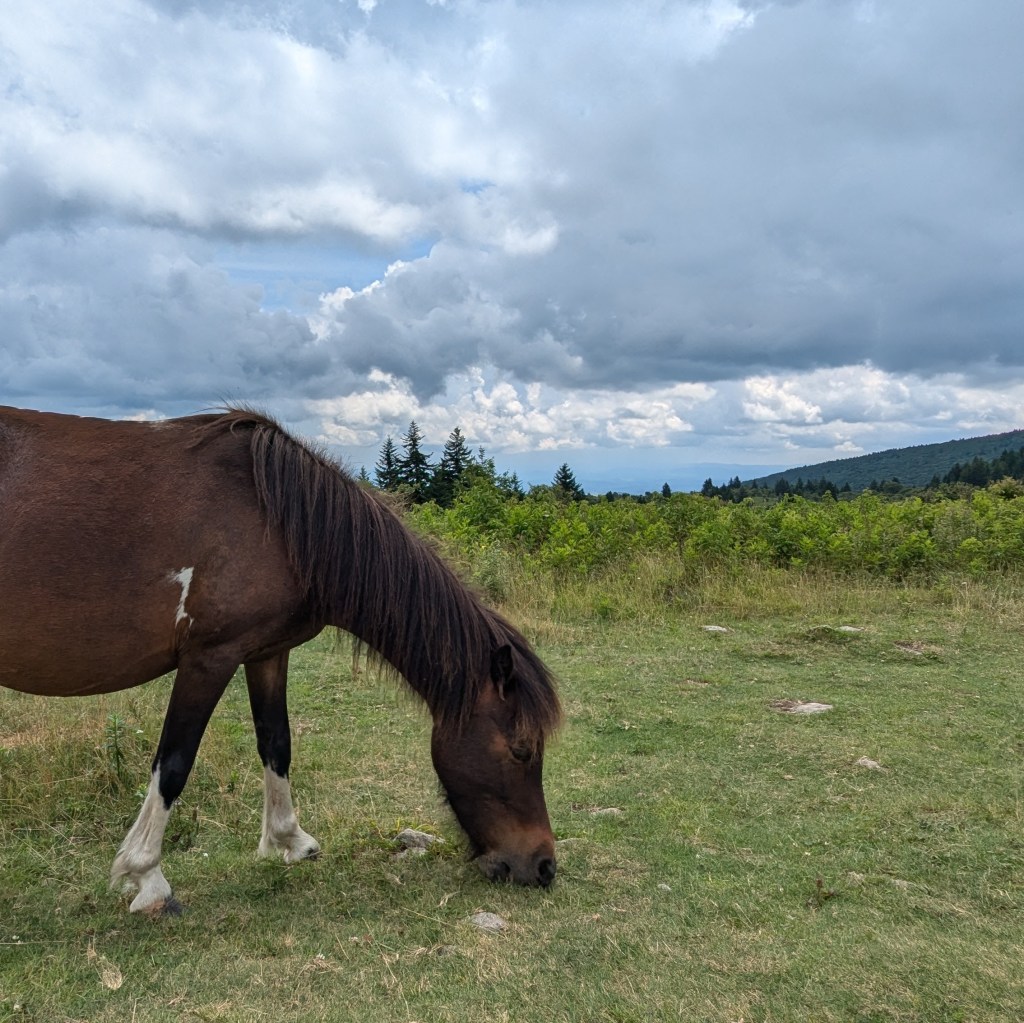
Grassy Balds and Spruce-Fir Forests compete for limited and shrinking space on Southern Appalachian mountaintops. This project investigates the impacts of introduced ponies on the vegetation in these ecosystems as well as the size and health of the pony herd. It is funded by the Virginia Department of Conservation and Recreation.
Fire & Endangered Orchids
Ecological restoration raises challenging questions when the habitat needs of multiple rare or endangered species are in conflict. At Mount Joy Pond Natural Area Preserve in Augusta County, Virginia, the Virginia Natural Heritage Program is using prescribed fire to restore a globally unique Shenandoah sinkhole plant community. It is unclear how these fires may impact an orchid protected by the US Endangered Species Act, Isotria medeoloides. We are tracking two populations of this plant to learn how its habitat, mutualistic relationships, and population dynamics are impacted by a common restoration strategy. This information that will help inform management across a woodland-wetland ecotone. Read more.


Chesapeake Stream Restoration
Landowners and users often complain about the number of invasive plant species they see along restored streams, particularly in the US Mid-Atlantic where urban stream restorations aim to improve water quality in the Chesapeake Bay. In collaboration with the Chesapeake Bay Trust, we are studying dozens of stream restorations to identify practices and landscape features that lead to more successful revegetation by native plants. Video
Peters Mountain Mallow
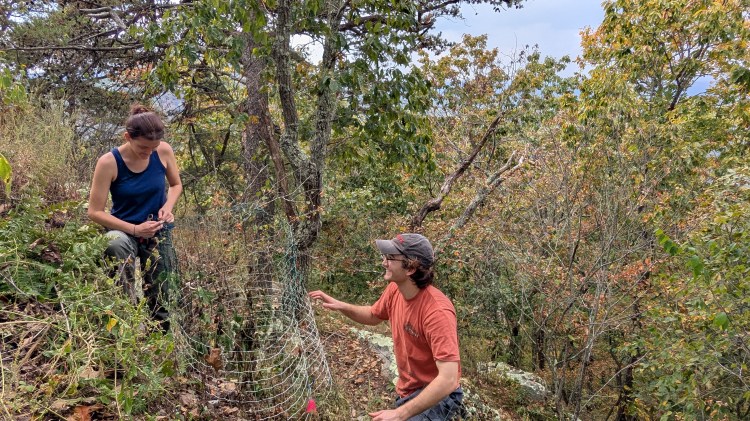
Peters Mountain Mallow (Iliamna corei) is one of the rarest plants in the world. It grows in a single population in Giles County, Virginia. With support from USDA NIFA (2025-2030), VT undergraduates are revitalizing population monitoring and collecting soil to study the past environment in which this species evolved. Both efforts inform current management and restoration. Read more on NHER or listen on WUVT.
Past Projects

Big Meadows Project
Big Meadows is a 54-hectare grassland in Shenandoah National Park that is rich in natural heritage and cultural history. Since 2000, the National Park Service has maintained Big Meadows using fire and mowing, but management actions appear to have become less effective over time at preventing woody species encroachment. We are studying historical vegetation data to learn which management strategies have been most successful and improve future management of this unique landscape. Read our final report.
Virginia Grassland Project
Grasslands in the southeastern United States are among the richest plant communities in the country, but grasslands and their associated flora and fauna are declining. In collaboration with the Clifton Institute, Virginia Working Landscapes, and the Center for Urban Habitats, we are describing native grassland plant communities and experimentally testing strategies to restore native grasslands on the Virginia Piedmont. Read more on NHER or our paper on Piedmont grassland floristics.

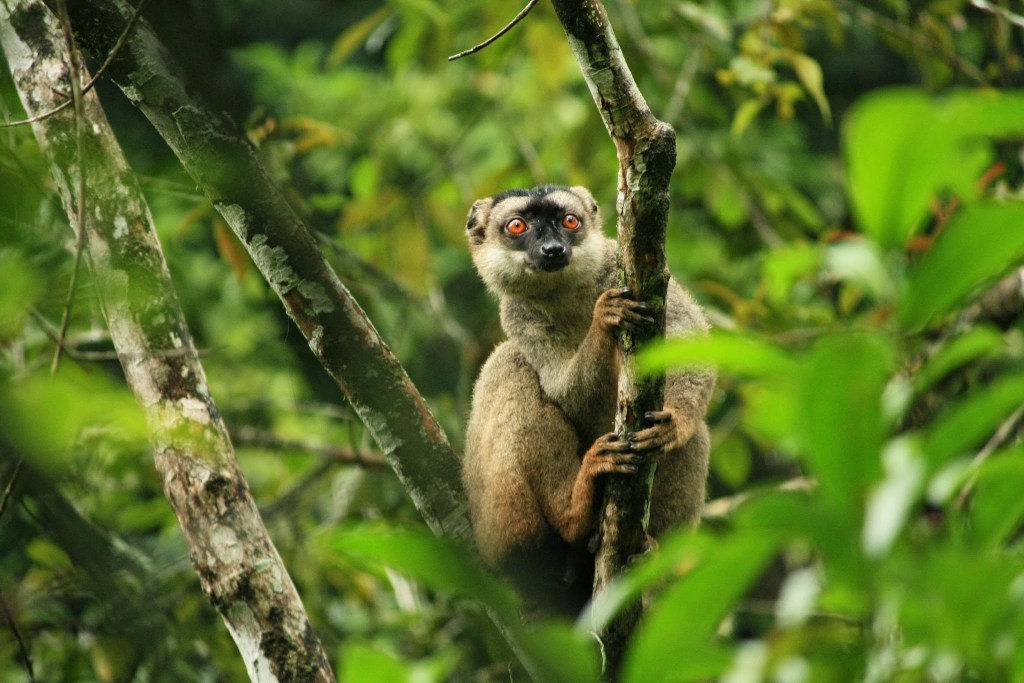
Green Again Madagascar
Madagascar is one of the most unique places on Earth. Nine out of ten species there are found nowhere else. But the island’s biodiversity is threatened by rampant deforestation. GAM works with local communities to experimentally restore rain forest on Madagascar’s eastern slopes. Photo: Thomas Timberlake. Read more.
Bee-friendly Beef Project
Tall fescue is the dominant plant species across large parts of eastern North America, but it causes problems for natural communities and livestock. This project aims to test whether cattle pastures can be enriched with native plants and support pollinator communities while also promoting healthy cattle by reducing fescue toxicosis. If it works, this practice could be subsidized by the USDA Natural Resources Conservation Service. Read more.


Woodland Forbs Project
When and how should sensitive plants be reintroduced to restored temperate woodlands? We are answering these questions in a woodland restoration chronosequence in southeastern Missouri. Experimental treatments include competition removal and seedling inoculation with soil from older vs. younger woodlands. Read more.
 Restoration Ecology Lab